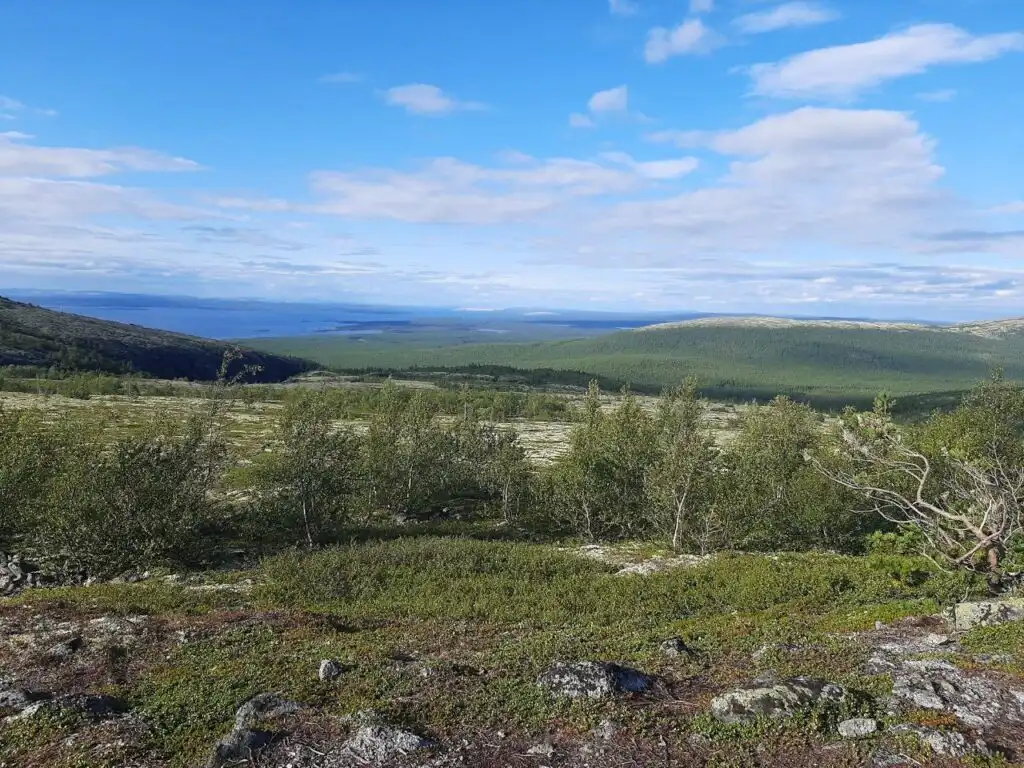
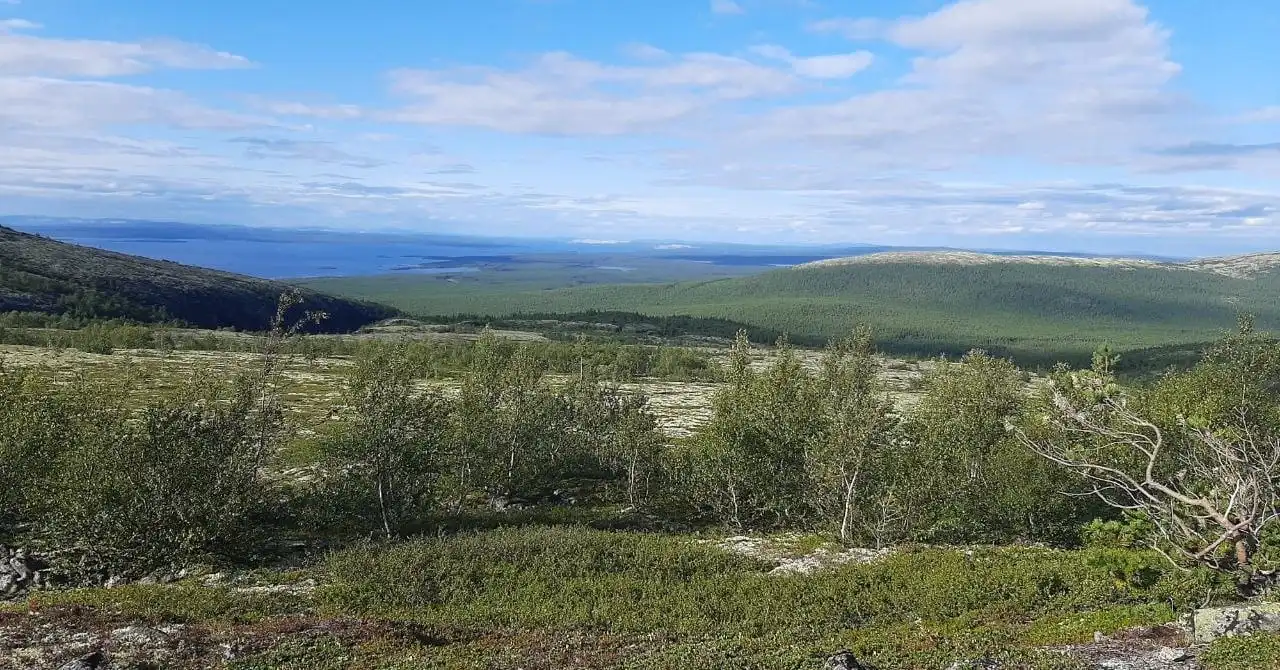
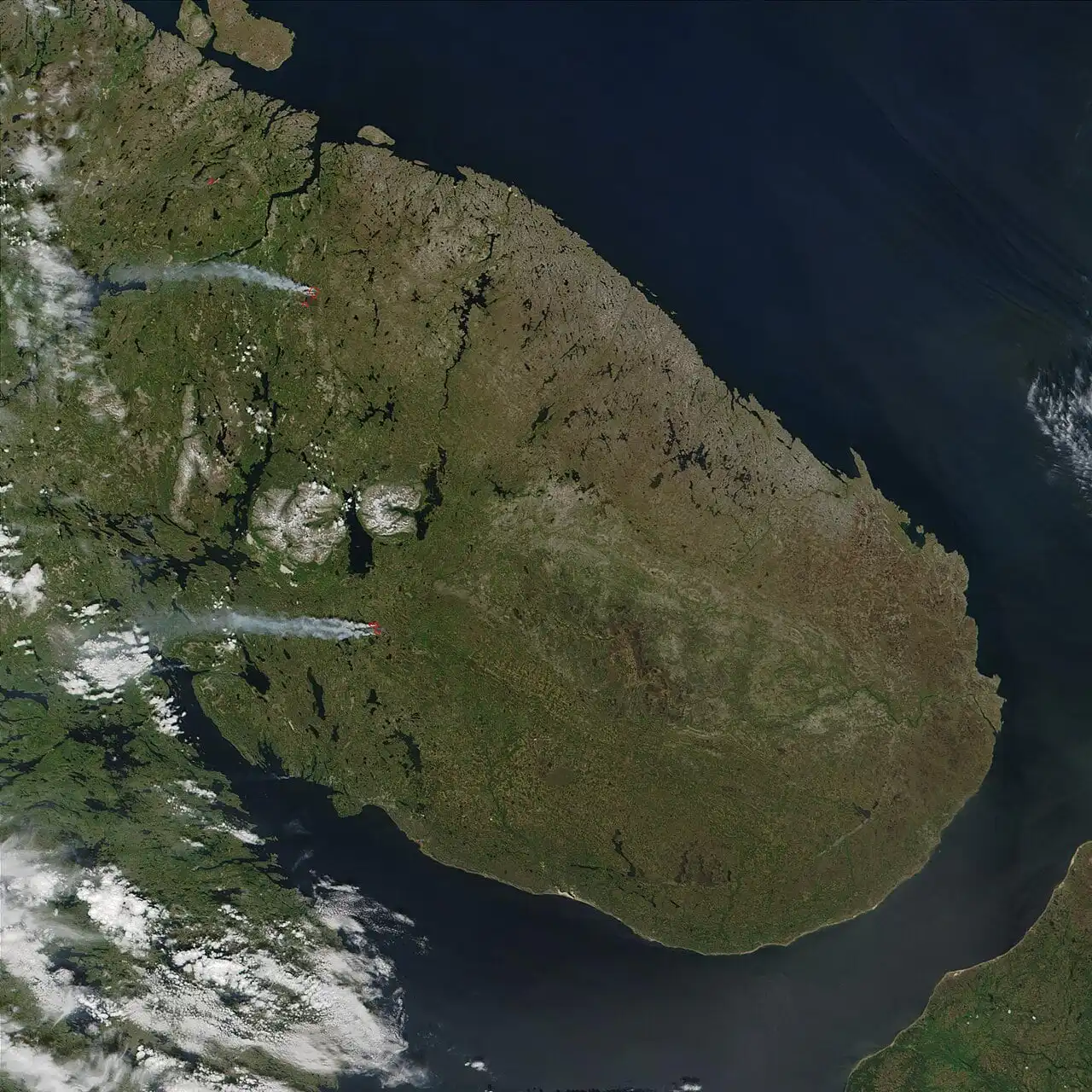
On the Kola Peninsula, up near the top of Russia where the land finally runs out into the cold Barents Sea, there’s a small metal cap bolted over a hole in the ground. It doesn’t look like much. You could stand on it, take a photo, and never once guess that an enormous Soviet drilling rig used to stand on that exact spot… or that this little cap is the only thing guarding the deepest hole people have ever made.
What is the deepest hole ever dug?
The Kola Superdeep Borehole is the deepest hole ever dug by people, and honestly, nothing else comes close. Its official name is SG-3, and it was drilled on the Kola Peninsula in Russia’s Murmansk Oblast, close to the Norwegian border. Work started in 1970, and the hole bottoms out at 12,262 meters, which works out at 40,230 feet, or a shade under 7.6 miles. Lay it on its side and it’d be longer than Mount Everest is tall. Drop it in the sea and it’d still be deeper than the very bottom of the Mariana Trench. This is a hole that goes through solid rock… and then just keeps going.
Why did the Soviets drill it?
The Kola borehole was never about oil, gas, or money. It was pure curiosity. By the 1960s the United States and the Soviet Union were racing to reach the Moon, and a smaller, stranger race was running underneath it all: the race to reach the center of the Earth. The American effort, Project Mohole, tried to drill through the ocean floor off Mexico in 1961, but Congress pulled the money in 1966 before it got very far. The Soviets went the other way. In 1970 they started boring straight down into a vast slab of ancient rock called the Baltic Shield, mostly just to find out what was down there. The appeal was simple. Nobody had ever looked!
How deep did they actually get?
They were aiming for 15 kilometers and fell short at just over 12. The first rig was a modified oil rig called Uralmash-4E. In 1974 a bigger purpose-built rig took over, the Uralmash-15000, and that number was the new target: fifteen thousand meters, a little over nine miles. In 1979 the hole sailed past a record held by a gas well in Oklahoma called Bertha Rogers, which made it the deepest hole on Earth. And then it kept going for another decade. By 1989 it had reached 12,262 meters, and the plan was still to push on to 15,000. Then a few things went wrong at once.
What went wrong at the bottom?
The rock stopped behaving like rock, and the heat wrecked the equipment. Down at those depths the temperature hit about 180 degrees Celsius, or 356 Fahrenheit, which was almost twice what the engineers had predicted. Metal drill pipes soften and twist when they get that hot, and the rock itself turned plastic and squeezed back into the hole about as fast as the drill could bore through it. In 1984 a five kilometer length of drill string snapped off and was left stuck down the borehole, where it still sits today. Another shaft threw a fresh disaster at them in 1990. By 1992 the heat and the accidents had won, and the drilling was done.
What did they find down there?
They found almost nothing they expected, which is the whole point of digging. The biggest surprise was that the rock was wet. Water turned up pooled several kilometers down, having seeped through the granite until it hit a layer it couldn’t get past. There was hydrogen gas bubbling out in the drilling mud, enough that the mud looked like it was boiling. And the most startling find of all: at around six kilometers down, the drill brought up microscopic fossils of plankton, the tiny single-celled sea creatures that still drift in the ocean today. Rock that old, that deep, and that sealed off was supposed to be sterile. It very much wasn’t.
There was another thing missing. Geologists expected to hit a layer of basalt at around seven kilometers, a boundary that shows up loud and clear on seismic readings. They never found it. Instead they kept pulling up granite, far deeper than the textbooks said granite had any business being. The boundary their instruments picked up was real, but it turned out to be a change inside the granite, not a switch to a totally different rock. A whole layer of the planet had quietly gone missing from the map.
How deep is that, compared with the Earth itself?
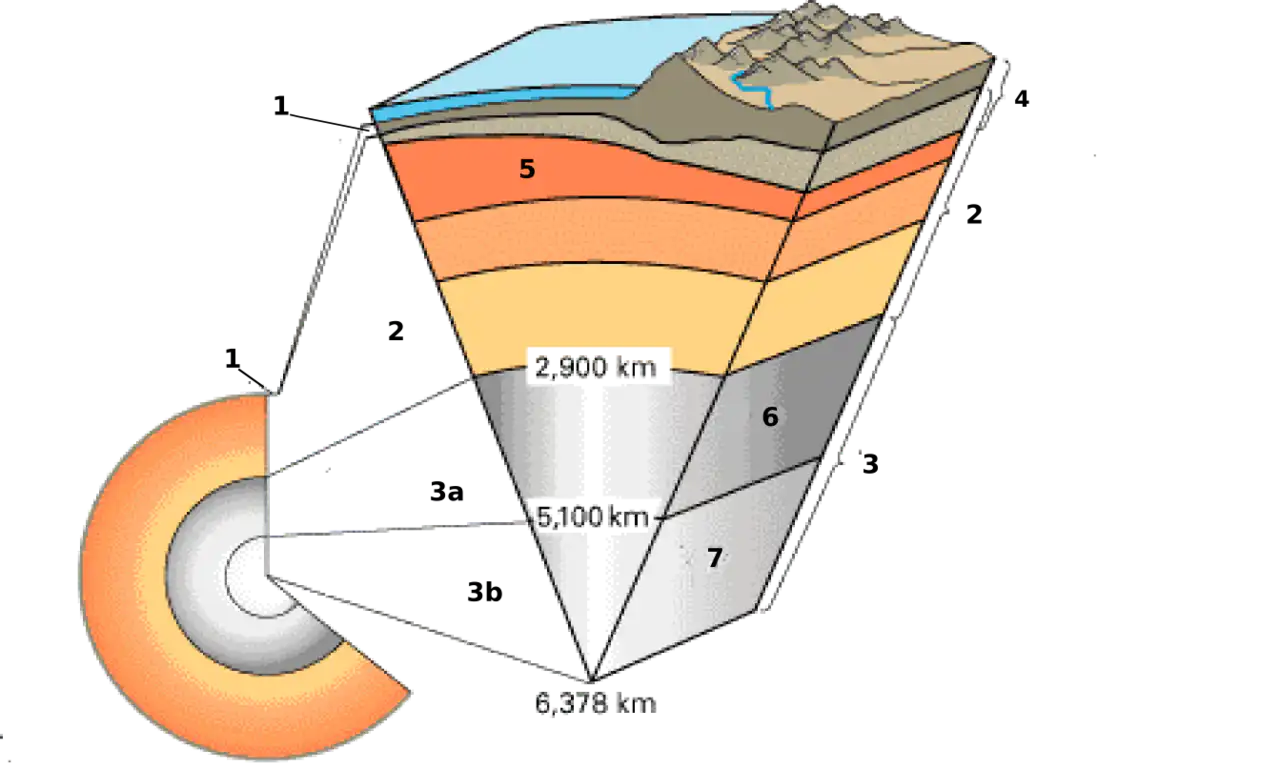
Barely a scratch. Here’s the part that makes my head spin. The hole is 12.2 kilometers deep, and the radius of the Earth is about 6,371 kilometers, so the deepest hole we’ve ever made reaches roughly 0.2 percent of the way to the center. I had to read that number twice. The rock at the bottom is about 2.7 billion years old, and it’s still only part of the way through the continental crust, the thin outer skin of the planet. Everything under it, the vast mantle and the metal core, has never been touched. So if you were hoping to find out what happens when you fall all the way through the Earth, you’ll have to settle for the math.
Is the Kola hole the “well to hell”?
No. They didn’t break into Hell, and the famous recording of screaming is a fake. If you’ve ever heard a scratchy audio file claiming to be the screams of the damned rising out of a Russian borehole, that story has nothing to do with this hole, and it was never true. The legend goes that Soviet engineers at a site in Siberia drilled more than fourteen kilometers down, broke into a hollow cavern where the temperature was a thousand degrees, then lowered a heat-proof microphone and recorded something screaming. Almost every detail is wrong. The real hole isn’t in Siberia, it’s on the Kola Peninsula. It isn’t fourteen kilometers deep, it’s 12.2. It opened no cavern, and the recording was later identified as recycled sound effects, borrowed at least once from a 1972 horror film called Baron Blood. Siberia does have its own share of odd holes, including a huge crater that turned up in the permafrost, but that’s a different mystery for a different day.
So where did the hell story come from?
A Norwegian schoolteacher built the hoax on purpose, to prove how easily people would believe it. In the late 1980s the tale reached the American Christian broadcaster TBN, which aired it as proof that Hell is a real place you can dig down to. A Norwegian teacher named Åge Rendalen heard the broadcast while visiting the United States and was appalled at how readily it had been swallowed. So he wrote to the network pretending he’d found a document back home that backed the whole thing up, complete with a bat-like demon that flew out of the hole. To be safe, he deliberately mistranslated a dull Norwegian news item about a building inspector and sent in both the original and his invented English version. He even attached his own name, his phone number, and his address, along with a pastor friend who was primed to tell anyone who called that it was all a joke. TBN aired it anyway, without checking a single thing.
Did you Know?
The rock at the bottom of the Kola borehole is about 2.7 billion years old, and it’s still technically part of the Earth’s crust. You can drill further than anyone in history and still not get past the paint.
Has anything ever gone deeper?
Plenty of wells are longer, but none of them go deeper. In 2008 a well in Qatar called BD-04A was reported as beating Kola, but it cheated in the most honest way possible: it was drilled on a long curve through the rock. Its total length reached 12,289 meters while its actual depth was only about 1,387 meters. Since then oil companies have drilled even longer wells by turning sideways, and some of the ones reaching out under the seabed now stretch well past fifteen kilometers in length. None of them point straight down like the Kola hole. The record for the deepest vertical hole, the deepest point people have ever reached by boring into the planet, still belongs to a Soviet science project that ran out of money and gave up in 1994.
What’s left of it today?
A locked metal cap, bolted shut, with the depth stamped on top. The project was officially wound down in 1995 for lack of funding. The company running it was liquidated in 2008, and the site was abandoned. The heavy steel structure that once stood over the hole has been partly dismantled and partly removed, and the small building around it is a ruin. Today all that’s left above the borehole is that cap, which is both the entrance to the deepest scratch in the underground world and honestly the most underwhelming monument you could ever visit. Tourists still make the trek to stand on it. There’s something oddly fitting about that. The deepest mark we’ve ever left on this planet is now just a lid on a hole in the tundra.
What the deepest hole actually taught us
It’d be easy to write the Kola Superdeep Borehole off as a Cold War stunt, an expensive way for one superpower to show off. That sells it short. Sure, the hole broke a world record and held it for decades, and sure, it never reached its target. But it also rewrote a few pages of the geology books, finding water and ancient fossils where there weren’t supposed to be any, and quietly erasing a rock layer that scientists had drawn onto their diagrams for years. It cost a fortune, it ended with a broken drill bit stuck in the ground, and it still taught us more about what lies beneath our feet than almost anything else we’ve ever built. If you ever find yourself on the Kola Peninsula with a spare afternoon, go and stand on a metal cap and think about that. I know I would.
And that raises a fine question for a slow afternoon. The deepest hole we’ve ever dug doesn’t even break through the crust, so if we ever did finish the job… what do you suppose we’d find down there? Not bad for a hole that everyone gave up on.