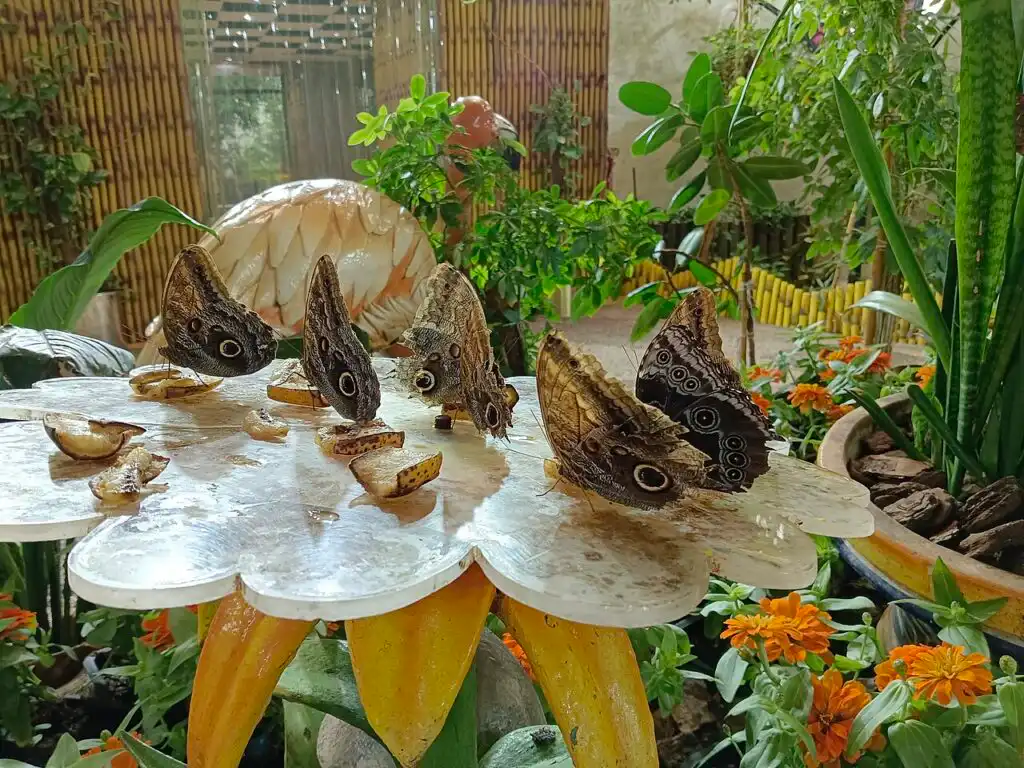
A butterfly lands on a flower, opens its wings to the sun for a second, and is gone. It’s one of the briefest encounters in nature and one of the most affecting. People stop what they’re doing to watch. Children follow them. And for thousands of years, in an extraordinary number of places, that short-lived, weightless thing has been read as the clearest picture we have of the human soul.
That’s not a poetic exaggeration. In ancient Greek, the word for butterfly, psyche, is the same word that means “soul” or “mind”, and the butterfly has carried that meaning through art and folklore ever since. The butterfly’s symbolism is probably the most consistently soul-shaped of any creature we have, so let’s look at where that comes from, and at one English custom that breaks the usual rule in a way almost nobody expects…
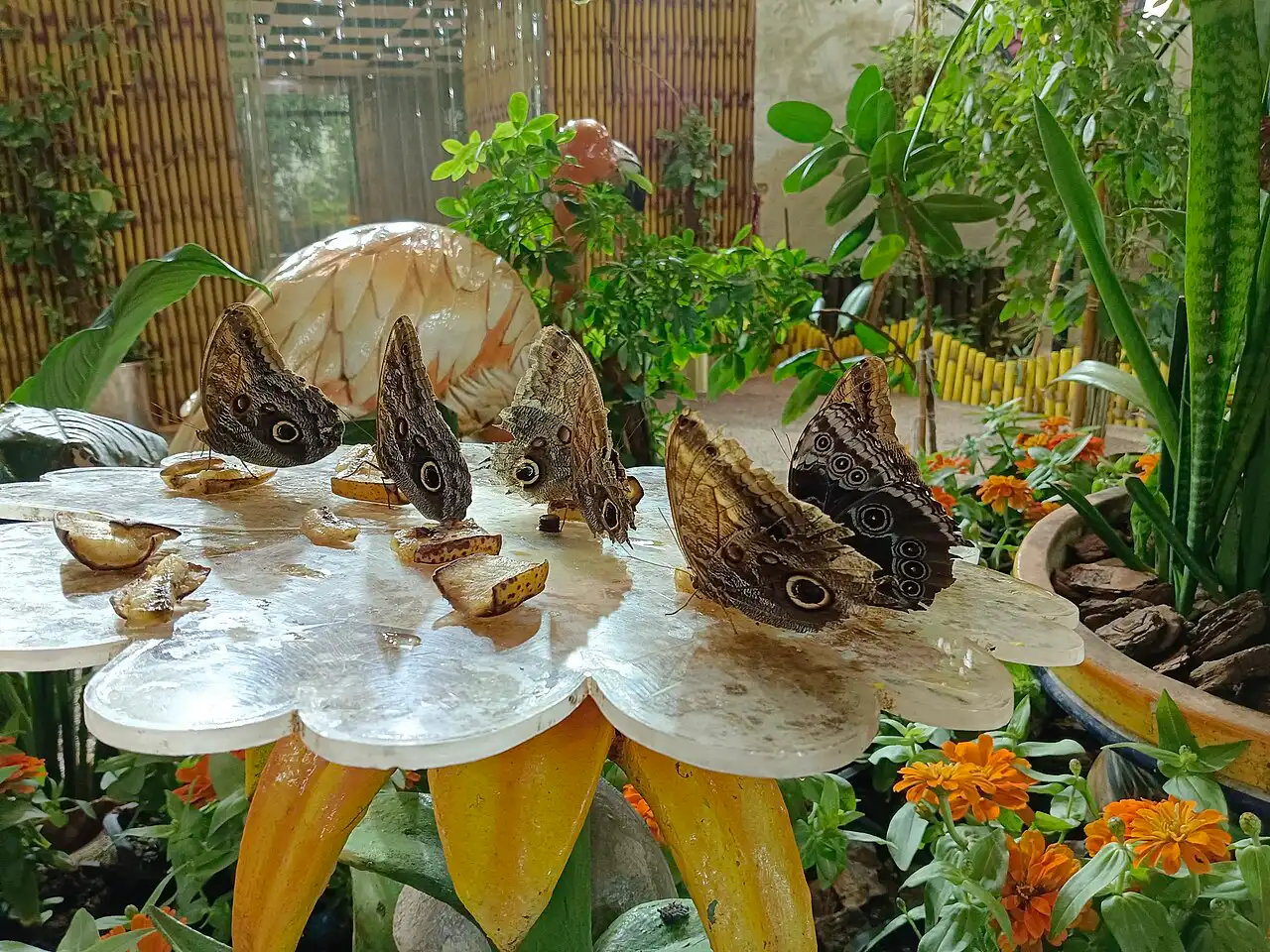
Why Is the Butterfly a Symbol of the Soul?
Because the Greeks named it with the word for soul, and the image has never left us. In ancient Greek, psyche meant both the butterfly and the soul, and Roman art took the idea and ran with it: one surviving sculpture shows a butterfly leaving the mouth of a dead man, the soul departing the body at the moment of death. Denis Diderot’s great eighteenth-century Encyclopedie recorded the butterfly as a symbol of the soul, which tells you the idea was still fully alive in the age of reason.
The same reading travels far beyond Europe. In Burmese culture, the butterfly, the leippya, represents the soul or consciousness, and after death the “butterfly soul” is said to wander in search of a new body. The anthropologist Mircea Eliade recorded that some of the Naga people of Manipur claim their ancestry from a butterfly. It’s the same creature, wearing the same meaning, thousands of miles apart. Not many symbols travel that well.
The Japanese Butterfly and the Visitor Behind the Screen
Japan developed its own butterfly-soul tradition, and it comes with one of the loveliest omens in folklore. The writer Lafcadio Hearn, who did more than anyone to bring Japanese folklore to English readers, recorded the belief that a butterfly is the personification of a person’s soul, whether living or already dead. Large numbers of butterflies together were treated as a bad omen, a swarm of souls in the air at once.
But the single butterfly in the house carries the sweetest version. In Japanese tradition, if a butterfly enters a guest room and settles behind the bamboo screen, the person you love most in the world is coming to visit. There’s a much older and darker echo of the same belief, too: when the tenth-century warrior Taira no Masakado was secretly preparing his revolt, a vast swarm of butterflies appeared over Kyoto and frightened the people as a sign of coming evil. The same insect, meaning either the arrival of your dearest or the approach of disaster, depending entirely on how many of them turn up at once.
A Butterfly Meaning Death in the Philippines, and in a Moth
Some cultures read a lingering butterfly as a messenger of death, and the darkest version of that belief actually belongs to a moth. In the Philippines, a black or dark butterfly, or moth, that lingers in the house is taken as a sign of an impending or recent death in the family. That’s the sombre end of the butterfly’s meaning, and it shows just how wide the range is: soul, love, death, rebirth, all attached to the same pair of wings.
If you want the most fully documented “death in the house” version, though, it’s the Black Witch Moth, not a butterfly at all. Across Mexico and the Caribbean, this large dark moth is a harbinger of death: in Mexico, if there’s sickness in the house and the moth enters, the sick person is believed to die, and in the lower Rio Grande Valley of Texas, death is said to come only if it flies to all four corners of the room. In Jamaica it’s the “duppy bat”, a lost or restless soul. But in Hawaii it’s the soul of a loved one returning to say goodbye, and in the Bahamas and South Texas it’s a money omen instead. One moth, carrying comfort in one place and dread in the next. It’s the same bargain the moth superstitions have always made with the dark.
Is There a Butterfly Rebirth Symbol in Mesoamerica?
Yes, and it’s one of the most striking in the ancient world. At Teotihuacan, butterflies were carved onto the temples, and in Aztec belief certain butterfly species were thought to be the reincarnations of the souls of dead warriors, linked to fire and to warfare. The transformation from caterpillar to winged adult gave them a natural claim on the idea of a life that continues in another form, and the Mesoamerican cultures used it as exactly that: a picture of the soul surviving the body.
That reading is universal because the biology behind it is universal. A butterfly goes through complete metamorphosis: egg, then caterpillar, then chrysalis, then an adult that looks and behaves nothing like the creature it used to be. It’s the single most dramatic transformation in the living world that you can watch happen in your own garden, and it’s no wonder that cultures separated by oceans all reached for it when they wanted to describe the soul and its transformations. The reason the modern world also uses the butterfly for ideas of change and becoming is the same reason the Aztecs did. It’s genuinely a picture of becoming something else.
The One English Custom That Reverses the Rule
In Devon, England, people once raced to kill the year’s first butterfly, on the belief that sparing it would bring a year of bad luck, which is the exact opposite of every other rule in this series. It’s one of the most unusual insect beliefs recorded in England. You would expect a lucky, soul-bearing creature to be protected at all costs, and instead, in one county, the first butterfly of spring was a thing to strike before it could bring a year of misfortune with it.
It’s a reminder that these beliefs were never a single rulebook. Even within one country, customs contradict each other from county to county, and the same animal can be a blessing in one village and a warning in the next. There’s a related Serbian belief in which witches were thought to take the form of butterflies or moths, and a returning one at the body of a witch could be destroyed along with the witch, which is less a rule about butterflies than a rule about who the butterfly was thought to be. The creature keeps changing meaning with the teller, and that’s the real story. It’s the same whiplash you get with the cricket, a lucky household singer in some traditions and a genuine flour-bin pest in reality.
Did you Know?
The name “butterfly” may come from a belief that the insects stole milk and butter, or that they left a butter-colored substance behind. In German the creature is Schmetterling, from a word for cream, and in Dutch it’s botervlieg. Several languages, apparently, decided this delicate soul-carrying insect was a threat to the dairy.
Which Meaning Do You Keep?
You get to choose, and there’s a version of the butterfly for almost every mood. If you want the ancient Greek reading, it’s the soul itself. The Japanese one gives you a visit from someone you love. The Aztec one gives you a fallen warrior coming back in a gentler form. The Filipino one warns you of loss. The Devon one, wonderfully, tells you to be suspicious of the first one you see. They can’t all be right about the same insect, and that’s precisely the point: the butterfly has been whatever people needed it to be.
The thing that stays with me is how brief the whole affair is. Some butterflies live only a few weeks as adults. They carry a symbol older than most countries, and they do it for a matter of days. I can’t think of another creature that gets so much eternal meaning out of so little time… So when you next see one settle on a flower and open its wings, you’re looking at a soul symbol, a love letter, a death notice, and a rebirth all at once, and then it’s gone about its day.