There’s a stretch of Pennsylvania where nothing looks wrong at first. Paved streets run through the woods. There are street signs, curbs, and fire hydrants, all standing perfectly straight, all with no houses attached. Then you notice the smoke. It rises from cracks in the ground, from the edges of the old highway, from a hillside behind the cemetery. Nobody is grilling. The ground itself is on fire, and it has been for more than sixty years… which is longer than most of us have been alive.
This is Centralia, a town that mostly exists on paper now. It has a zip code, a borough council, and a handful of residents, in a place where the earth is slowly burning out from underneath them. And the weirdest things about it are all true.
Here’s how a town ends up on fire for longer than most people have been alive.
What Is the Centralia Mine Fire?
An underground coal seam beneath Centralia, Pennsylvania, has been burning since 1962, and it could keep burning for another 250 years. The fire is not a single flame. It works through abandoned mine tunnels and coal seams under the borough, spreading along several fronts.
At its peak, Centralia had about 2,700 people. By 2020, the Census counted five. The town was not evacuated because of some single dramatic event. It was slowly abandoned, one house and one warning sign at a time, as the fire crept underneath.
How Did the Fire Start?
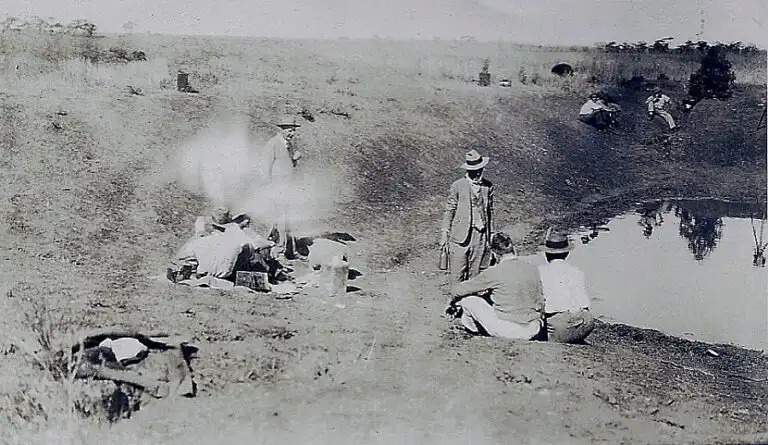
Probably with a routine trash burn at the town dump, in May 1962. Officials had paid a five-man crew from the volunteer fire company to clear the town dump, which sat in a worked-out strip-mine pit beside the Odd Fellows Cemetery. Burning the dump was something they had done before, ahead of Memorial Day.
This time, the fire didn’t go out. An unsealed opening in the pit let the flames drop straight into the maze of abandoned coal tunnels beneath the town. The town was supposed to keep a fire-resistant clay barrier between the layers of the landfill, but it had fallen behind schedule, leaving the barrier incomplete. Hot coals reached the coal seam underneath, and from then on the fire had everything it needed.
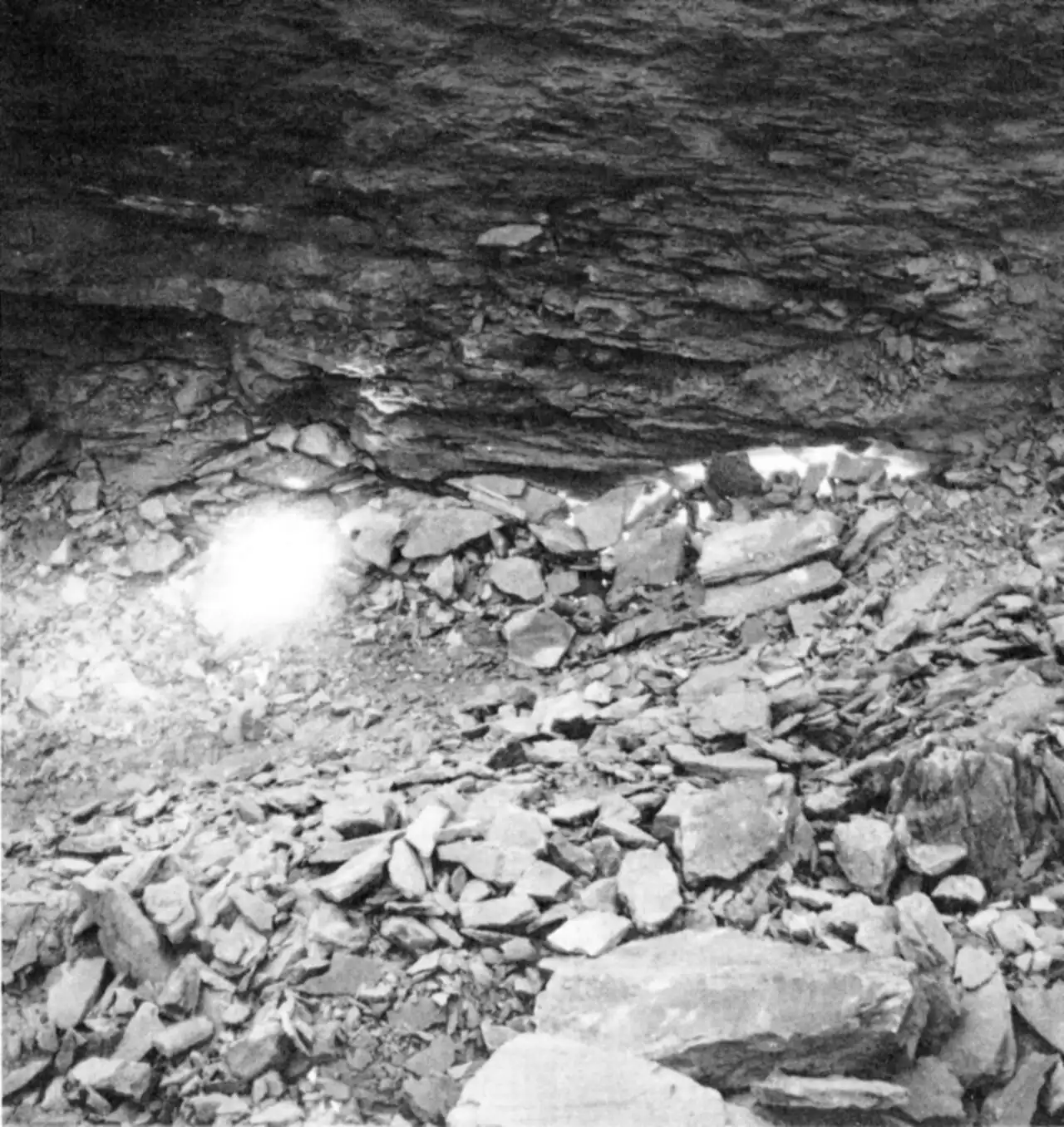
Some accounts blame hot ash or burning coal dumped by a trash hauler the day before. Others point to an older colliery fire from 1932 that was never fully extinguished. The exact trigger is still argued over, and I suspect it always will be. What everyone agrees on is the result: the ground under Centralia started to burn, and nothing they tried afterward could stop it.
How Did People Figure Out It Was Serious?
Bit by bit, through things that were quietly impossible. For years the fire was a nuisance rather than a disaster. Then in 1979, a gas station owner who was also the mayor, John Coddington, dropped a dipstick into his underground fuel tank to check the level. It came back hot.
He lowered a thermometer in on a string, and measured the gasoline in the tank at 172 degrees Fahrenheit. The fire had crept close enough to literally heat the fuel in his tanks. That reading woke people up to where the fire was heading.
What really forced the state to act came on February 14, 1981. A 12-year-old boy named Todd Domboski was in his grandmother’s backyard when the ground opened under his feet. He fell into a sinkhole about 4 feet wide and 150 feet deep. He caught himself on a tree root, and his cousin Eric Wolfgang, 14, hauled him out… which is the only reason this story is a legend and not a tragedy.
Steam was pouring out of the hole, and when it was tested, it contained carbon monoxide at a lethal level. I think that’s the detail that turned a local complaint into a national story. A kid nearly fell into a hole straight down into a burning mine, and a plume of poisonous gas came up after it.
If you find sinkholes as unnerving as I do, you’ll want to read about the time a giant sinkhole swallowed a building in Guatemala. The ground is not as solid as we like to pretend.
Why Was It So Hard to Put Out?
Because an underground coal fire has no easy front to attack. You can’t pour water on it, because the fire is spread through a network of tunnels and seams; the water flashes to steam and the fire simply moves somewhere else. You can’t smother it easily, because there are too many openings to seal. And this particular coal seam had been destabilized by decades of mining.
Years of so-called pillar-robbing made it worse. Bootleg miners had been pulling out the coal pillars that had been left in old mines to hold up the ceilings. That caused collapses, which complicated any attempt to seal the tunnels, and it left the fire a broken, unpredictable path to travel.
Crews tried digging out the burning coal, flushing the tunnels with water, and cutting off the oxygen supply. The fire outlasted all of it. Multiple projects were started and abandoned as the cost climbed and the fire kept moving.
How Do You Evacuate a Whole Town?
You pay people to leave, and then you use the law to finish the job. In 1983, Congress set aside more than $42 million for relocation. Almost everyone took the buyout. The town had already been deeply split over whether the fire was truly dangerous, with residents divided into competing groups, each with its own read on the risk.
Once the money was there, the exodus was fast. More than 1,000 people moved away, and about 500 buildings were demolished. By 1990, only 63 residents remained. In 1992, Governor Bob Casey invoked eminent domain over all the property in the borough, condemning every building inside it.
In 2002, the Postal Service retired Centralia’s zip code, 17927, for good. The town had stopped being a town in every way that bureaucracy measures these things. Only a handful of homes were left standing, and state officials kept trying to get the last residents out. In 2013, the seven who remained settled with the state for the right to stay in their homes until they die.
Centralia was one of the inspirations for the haunted, foggy town in the movie Silent Hill. The screenwriter researched it while working on the adaptation. The video games came first, but the film borrowed heavily from this real place.
What Does the Town Look Like Now?
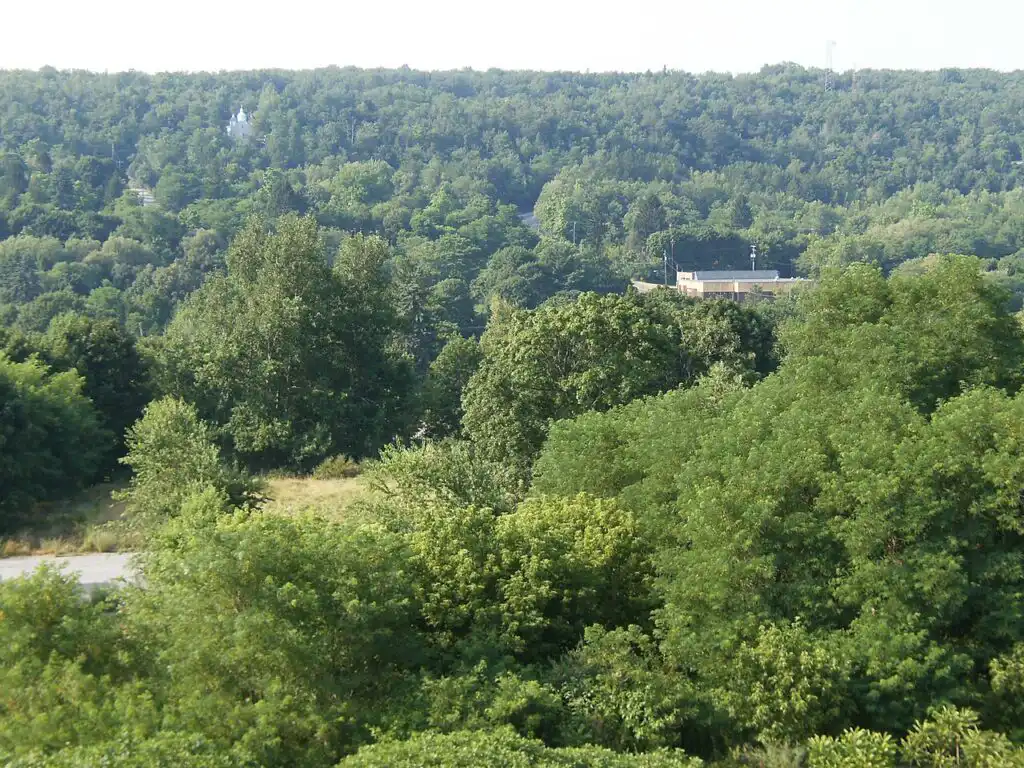
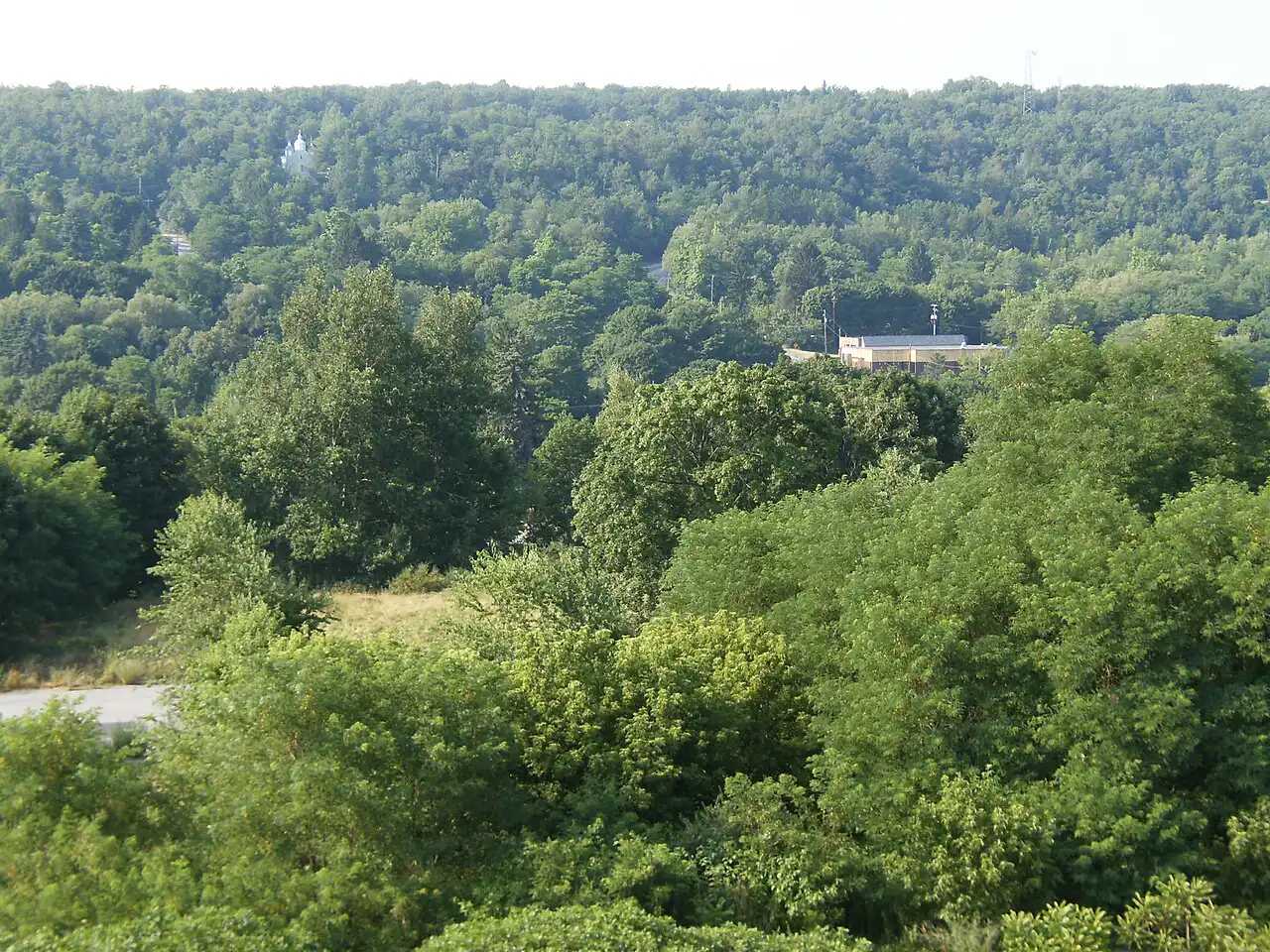
Like a grid of streets waiting for a town that never comes. Most buildings have been demolished or taken back by nature. From a distance, it looks like a field with paved roads laid out through it, curbs and all, leading to empty lots and new-growth forest.
The most reliable sign of the fire is a line of low metal vents toward the southern end of town, along with wisps of steam drifting off the abandoned stretch of Route 61. That section of highway, closed permanently after the heat cracked the asphalt, became known as Graffiti Highway, a long strip of asphalt covered in spray-painted messages. It was a quiet tourist attraction for years until the owners buried it under mounds of dirt in 2020, during the pandemic, to stop people gathering on it.
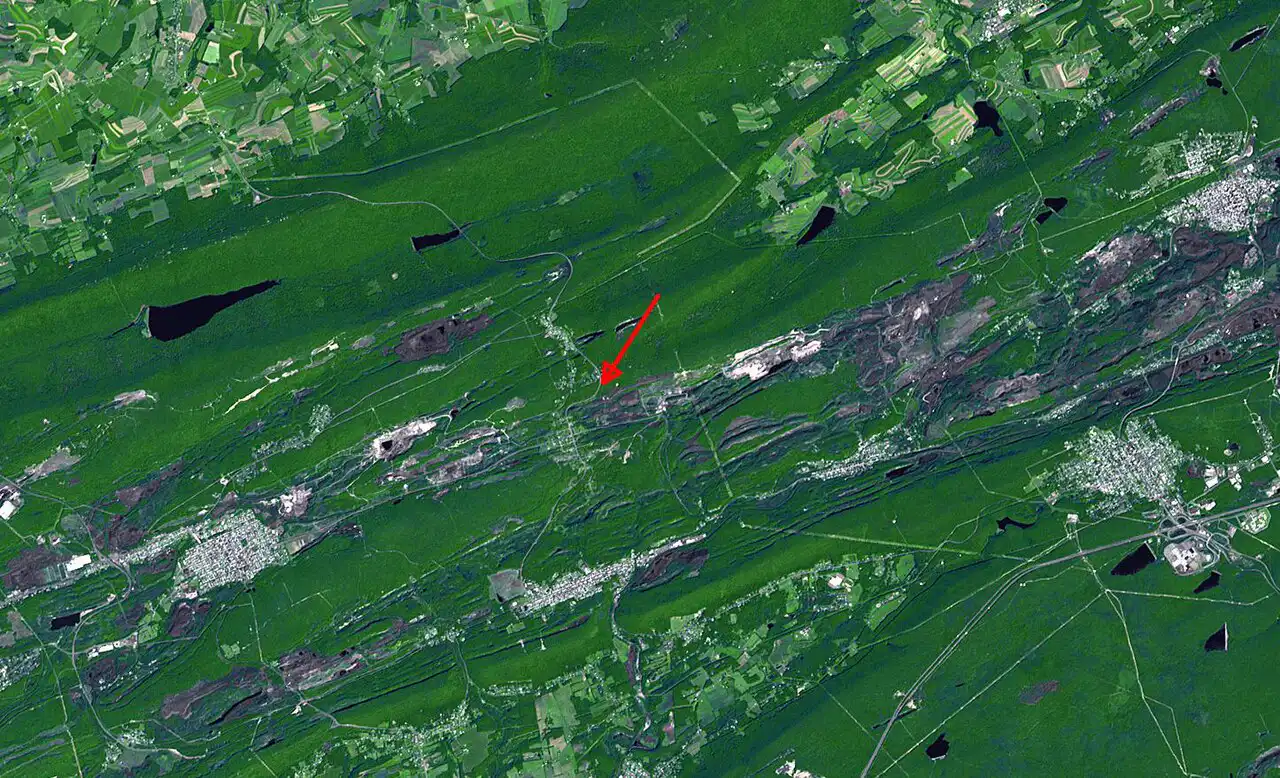
Some things remain. The Ukrainian Catholic church still holds Sunday services and draws worshipers from towns nearby. Four cemeteries are kept in good condition, including one on a hill where smoke drifts up around the graves. The municipal building and its attached fire station garage are still standing. The borough council, for a town of five, still holds meetings.
Will the Fire Ever Go Out On Its Own?
Not for generations. The fire underlies roughly 400 acres and is still spreading along several fronts. A 2006 estimate put its remaining lifespan at around 250 more years. That’s not a prediction of doom so much as a statement of how a coal seam fire works. Once it has fuel, a path, and oxygen, it can smolder for a very long time.
The Thing That Actually Killed the Town
It wasn’t the fire. It was the fight over the fire. That’s the argument two researchers, Steve Kroll-Smith and Steve Couch, made in their book about Centralia, whose title says it plainly: The Real Disaster Is Above Ground. They identified at least six community groups in town, each organized around a different belief about how much danger the fire actually posed.
Some residents wanted to stay. Some wanted out. Some thought the whole thing was overblown. Some thought they were being lied to. And once the buyouts began, neighbors who had lived side by side for decades were divided over whether leaving meant abandoning their homes or saving their lives. The ground was burning, but the town tore itself apart first.
There’s a darker thread running under that split, too. Several people believed the state’s push to condemn the town was really about something else: the coal. The anthracite beneath Centralia is worth a fortune, and some residents argued the eminent domain claim was a way to get at the mineral rights. The exact value was never established. But it’s a reminder that even a burning town can become a fight over money.
Why Centralia Still Fascinates Us
Because it’s a town that died in slow motion, and it’s still dying. We’re used to disasters with a beginning and an end, a day you can point to. Centralia has no such day. The fire started with a trash burn in 1962, and it will still be going when everyone reading this is gone. The people who lived there didn’t lose their town in an afternoon. They watched it leave one neighbor at a time.
That slow decay is why the place has worked its way into so much fiction, from horror novels to the foggy streets of Silent Hill. A ghost town with no explanation is spooky. A ghost town that is provably, physically burning underneath you is something else entirely. It’s a reminder that the ground we build on is not a foundation. It’s a layer, and sometimes there’s something alive under it.
I think the reason Centralia sticks with me is that it’s the exact opposite of a sudden catastrophe. It’s what happens when a problem is small enough to ignore for just one more year, and someone says that every year for sixty. The town didn’t die in a fire. It died in the delay.
Thanks for reading. If you ever find yourself on a quiet road in the Pennsylvania hills with steam rising from the cracks, you’ll know exactly what you’re standing on. Just don’t stand there too long.