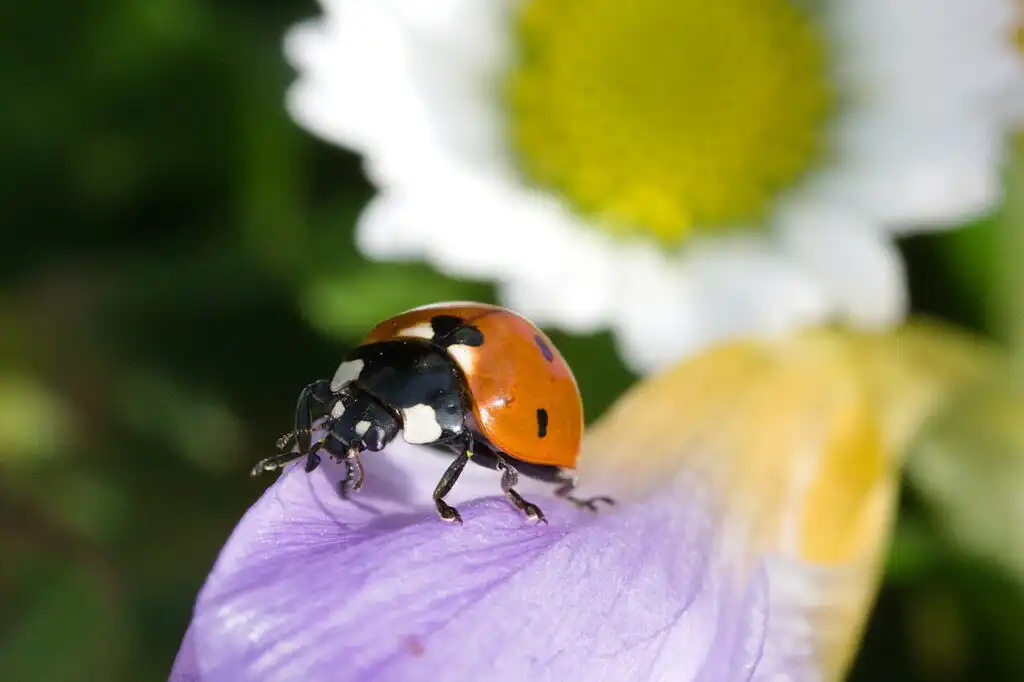
You’re sitting outside on a warm afternoon when a small red-and-black dome lands on your sleeve and sits there, perfectly still, as if it owns the place. Most people smile. Some carefully move it to a leaf and wish it well on its way. And a smaller, quieter number of people feel the old tug of a rule they can’t quite name. Something about not hurting it. Something about luck. So let’s settle the question properly, because this little beetle has more history behind it than almost any other insect you’ll meet…
Here’s the one nearly everybody arrives with: is it bad luck to kill a ladybug? The short answer is yes, in the sense that the beetle has spent centuries being treated as a lucky guest, and you don’t turn luck away. The longer answer is far more interesting, and it starts with the beetle’s name.
Why Is a Ladybug Called “Our Lady’s Bird”?
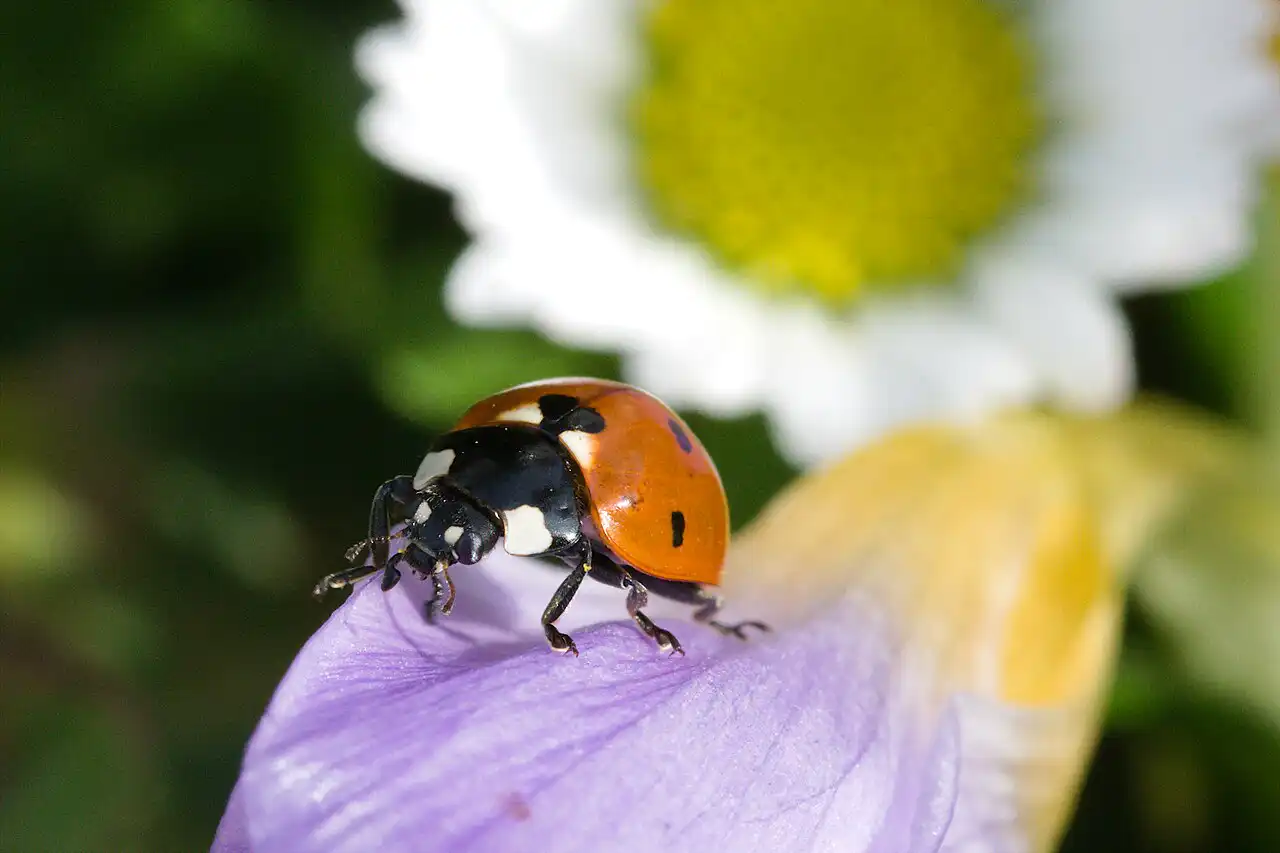
Because across Europe, the insect was named for the Virgin Mary, and that’s the whole reason it’s lucky. In England it was “Our Lady’s bird”, or “Our Lady’s cow”. In German it’s the Marienkafer, Mary’s beetle. In Spanish, mariquita. In Latvian, marite. A Swedish name, Jungfru Marias Nyckelpiga, casts the little thing as “the Virgin Mary’s keyholder”, and some traditions went further and called it a gatekeeper of Heaven. So the luck was never really about the beetle at all. It was borrowed from the saint whose name got stuck to it, and the superstition has traveled along with the name ever since.
That helps explain why the rule about not killing one feels older than it can actually be proven to be. If the insect belongs to Mary, then harming it is a small sacrilege, and the good fortune it carries moves on to someone else. It’s the same instinct you’ll find in the old moth superstitions, where a harmless little visitor gets treated less like a pest and more like a sign you’re not supposed to wave away. I have to admit, I like that better than the alternative!
Is Killing a Ladybug Really Bad Luck, Though?
It’s a genuine, widely held popular belief, but a surprisingly recent-sounding one if you go looking for its paperwork. “Killing a ladybug” turns up on the standard lists of bad-luck signs, right alongside ladders and black cats. The reasoning runs the way you’d expect: the beetle is Mary’s, or the beetle is luck itself, so squashing it forfeits the luck. What you won’t easily find is an old medieval manuscript laying out a specific penalty. So the honest framing is this: it’s a real belief that people hold and repeat, mostly modern in its everyday form, resting on a name and a reputation that really are centuries old.
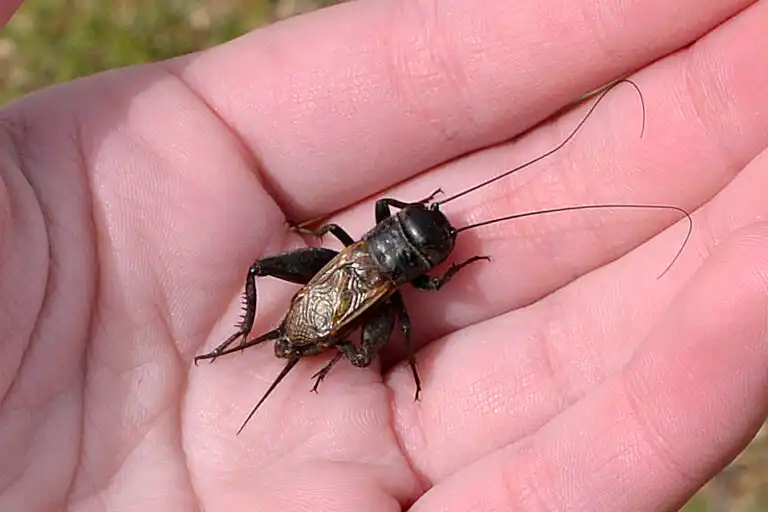
If you want the deeper root, it’s practical. Ladybugs eat aphids, and aphids destroy crops. A farmer watching a red-and-black beetle clean a plant of pests had an obvious reason to call it a friend and an obvious reason not to interfere. Turn that gratitude into a story and you get a lucky animal within a generation or two. The same instinct sits behind the cricket superstitions, where a small creature that does no harm indoors gets quietly promoted to a good omen.
What Does It Mean When One Lands on You?
In the old lore, a ladybug that lands on you is granting you a wish, or pointing you toward love. Across Europe the beetle was said to act as a matchmaker: if one crawled across a woman’s hand and then flew away, it was flying straight to her future husband, or at least to whoever she’d end up with. Children still carry a trace of that when they set a ladybug on a finger, whisper a wish, and blow it gently into the air. The number of spots, the direction it takes off in, the time of year, all of it has been read for meaning at some point. None of that stops the beetle from being what it actually is, of course, which is a small, hungry predator that happens to look wonderful.
Why Do So Many Countries Claim It as a Symbol?
Because it’s genuinely a universal guest, and almost every culture folded it into its own stories. The Cherokee revered it so highly that “Great Beloved Woman”, the title for the highest-ranking woman in their government, borrowed the beetle’s name and colors for ceremonies. In Jewish tradition it was nicknamed the “Cow of Moses our Teacher”. In Christianity it became a gatekeeper of Heaven. It also turns up as a state insect in several American states, which is a modern honor with the same sentimental root.
The popularity makes sense once you know what the beetle does with its color. Bright red or yellow with black spots is a warning label aimed at birds: it says, plainly, that this bite will taste awful. Ladybugs can bleed a bitter fluid from their joints when threatened, and the color scheme advertises that in advance. So the beetle has been running its own small advertising campaign for millions of years, and the humans just read it as luck. Nature tends to get there first.
The Nursery Rhyme Has a Dark Undercurrent
“Ladybug, Ladybug, fly away home” is older than most people guess, and it may not have been innocent. The rhyme is recorded in print by at least 1744, in a children’s collection called Tommy Thumb’s Pretty Songbook, and it carries the Roud Folk Song Index number 16215. It’s one of the earliest nursery rhymes we have. The gentle version is that farmers sang it to shoo the beetles out of burning stubble fields before they set the straw alight, which is a lovely image and probably part of the truth.
The grimmer theory is that some verses were a coded warning for Catholics during a period of anti-Catholic laws, when “your house is on fire and your children are gone” carried a different weight entirely. Nobody can prove that reading, and the people who study these things argue about it, but the fact that a rhyme about a beetle could hide a message at all tells you how closely people were watching the little thing. Mark Twain later slipped the rhyme into The Adventures of Tom Sawyer, which is how a folk song about a garden insect ended up in American literature.
Counting the Spots: How Much of It Is Real?
The seven-spot beetle is the classic lucky one, but the spot-counting rule is modern folklore, not ancient law. Coccinella septempunctata, the unmistakable seven-spot ladybug, is the beetle of the songs and the lucky charms, and it’s the official state insect of several US states. The popular idea that the number of spots tells you how many years of luck are coming is exactly the sort of tidy rule the internet loves, and you won’t find it in the old sources. Treat it as a fun thing to do with a child, not a documented tradition. There are over 6,000 known ladybug species worldwide, so there is, at least, no shortage of spots to count.
The name “ladybug” only shows up in American English around 1699. Before that, English speakers called it a ladybird, a ladycow, or in East Anglia a “bishy barnabee”. The beetle didn’t change. The nickname did.
So Should You Kill One or Not?
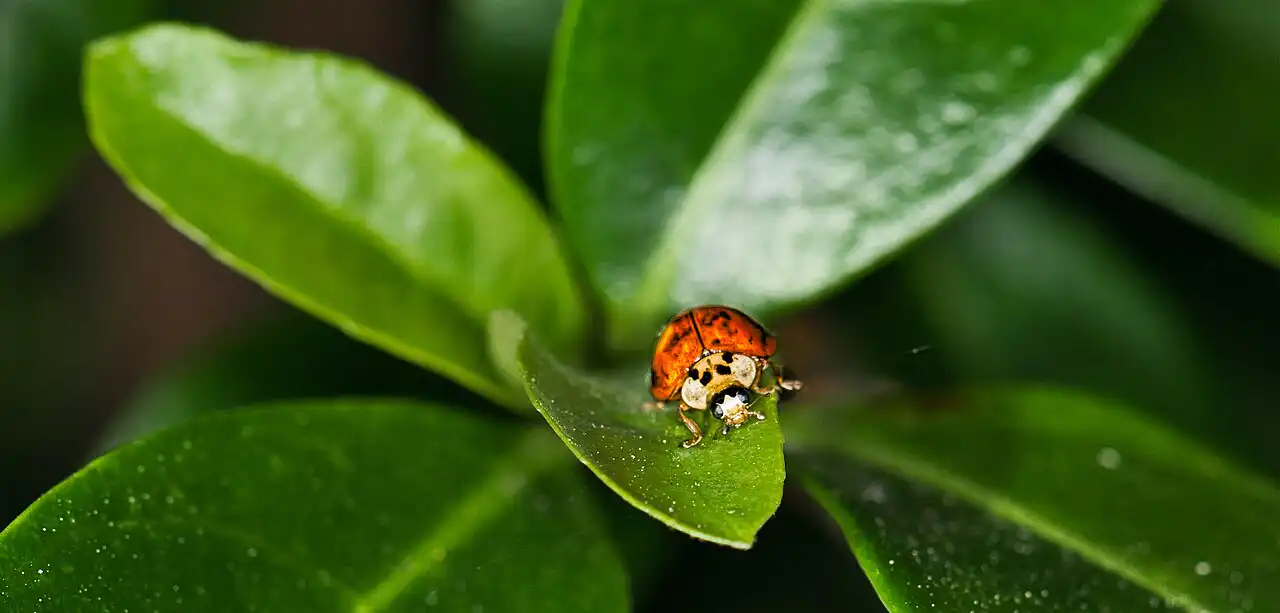
You never need to, and the old stories give you a good excuse not to. A ladybug indoors is harmless. It won’t bite you, it won’t nest in your food, and it will happily spend its visit eating any aphids it finds on your houseplants, which is more than most houseguests manage! If it’s bothering you, a slip of paper under its feet and a lift to the window does the job without any squash and, if the tradition means anything, without any forfeited luck.
What I keep coming back to is how much meaning people packed into a beetle the size of a fingernail. It carried the name of a saint, the promise of love, a harvest of good luck, and a nursery rhyme that may or may not have been a code. We could have looked at it and seen only a bug on a leaf. Instead we looked at it and saw fortune… I’m not sure that says much about the beetle, but it says something rather nice about us. Anyway, the next one that lands on your hand is owed a wish. Worth making it a good one.