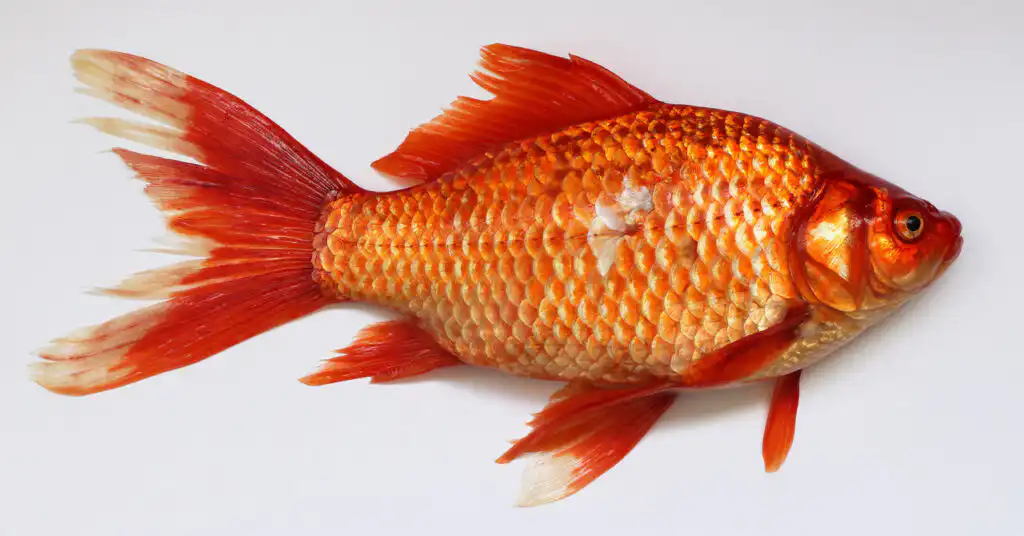
The goldfish has one of the shortest memories in popular culture and one of the longest in the actual literature. The three second figure is repeated so often that it has become a punchline, a way of describing a colleague who forgets a meeting, a shorthand for a mind with no history. It’s also, by a spectacular margin, wrong.
What makes this one interesting isn’t that a fact turned out to be false… Plenty of those have. It’s that the truth is so much stranger than the joke, and that the experiment everyone assumes exists behind the claim doesn’t appear to exist at all.
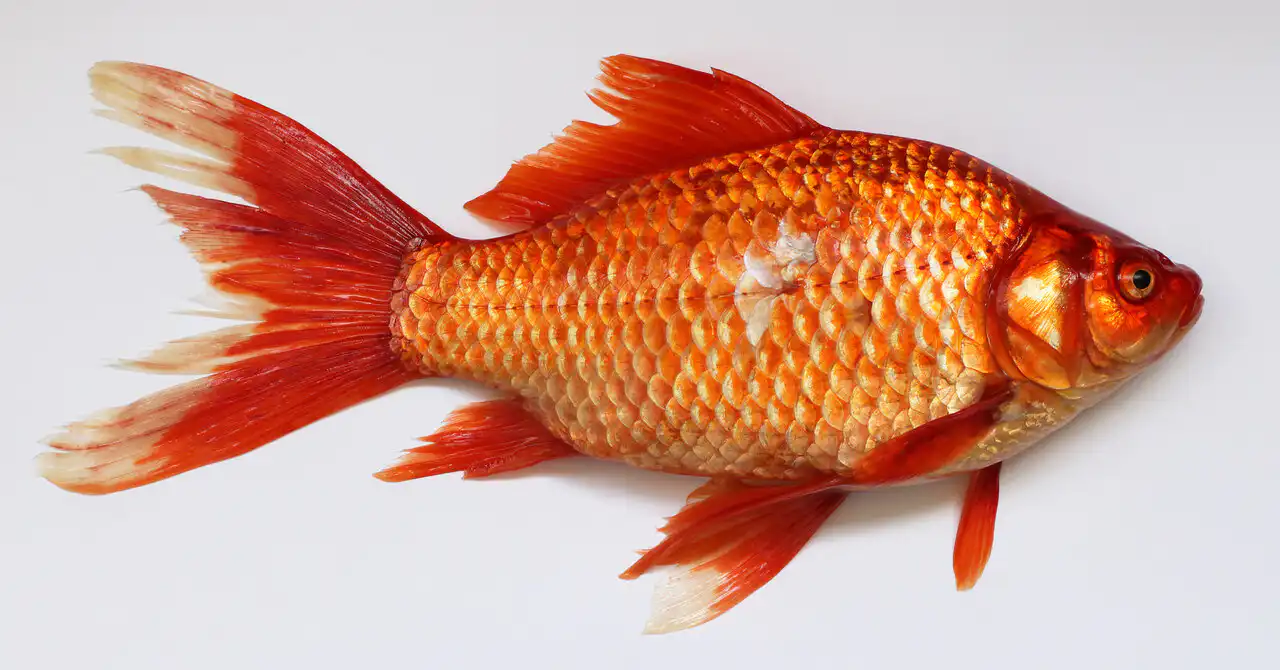
Do Goldfish Really Have a Three-Second Memory?
No, and the gap isn’t small. A goldfish will remember a cue for at least three months, and in one set of experiments the fish remembered a colored tube that had once dispensed food a full year after seeing it. Three months against three seconds is a factor of roughly two and a half million. If the culture had instead settled on “goldfish remember things for months”, nobody would have found that funny enough to keep saying.
Where the Three-Second Idea Came From
Nobody has produced the study that the claim is supposed to come from. It circulates without a citation, in the way that the best bad facts do, and reference works have long since cataloged it as a common misconception rather than a research finding. That’s an unusual thing to be able to say about a claim this widespread. Most myths have a real paper behind them somewhere, misread or overstated. This one seems to have started as a joke about fish and then been promoted, by repetition alone, into a fact.
The promotion is the interesting mechanism. A line that’s funny gets told again, gets printed in a magazine, gets animated in a cartoon, and after enough laps nobody feels the need to check it. The goldfish couldn’t have asked for a better demonstration of the point.
What Goldfish Can Actually Learn
Quite a lot, and in ways that are easy to see in an ordinary tank. Goldfish have strong associative learning and they learn socially, by watching other fish. They can be trained, using reward, to respond to colored light signals, to perform small routines and to distinguish between shapes, colors and sounds. Owners notice the social part quickly enough: the fish learn which person feeds them and start swimming to the front of the glass when that one walks in, then hide when a stranger does.
Their eyes are worth a mention too, because they undercut the whole idea of the vague, drifting fish. Goldfish have four kinds of cone cell, tuned to red, green, blue and ultraviolet, which makes them tetrachromatic. They see a color space wider than ours. An animal that can tell four primaries apart isn’t going through life in a haze.
How Long Is a Goldfish Memory, Exactly?
Months at the least, and fish as a group turn out to be quietly excellent at remembering things. Goldfish kept the color of a food tube for a year. Channel catfish are reported to remember a human voice that used to announce feeding five years after last hearing it. Sockeye salmon will still answer a light cue linked to feeding after eight months without reinforcement, and a crimson spotted rainbowfish that learned to escape a trawl through a small hole remembered the trick eleven months on. Carp that have been caught by an angler become noticeably harder to catch, which is memory doing something rather practical with a bad experience.
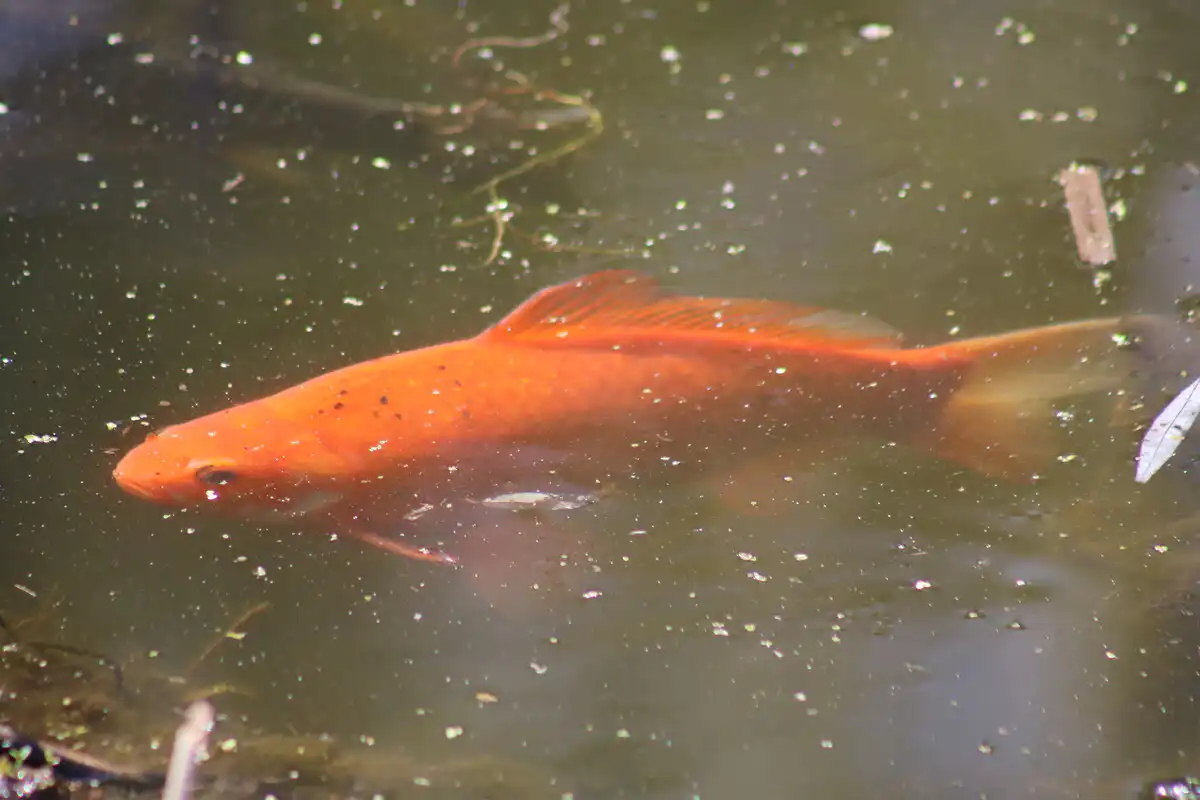
There’s a spatial side to this as well. Fish navigate using landmarks and can build something close to a mental map of a place, and a 2020 study recording neural activity in goldfish found strong support for exactly that, which is a long way from a creature that resets every three seconds.
Did you Know?
The goldfish in the bowl is a domesticated carp, selectively bred in imperial China for its color well over a thousand years ago, and China now recognizes around three hundred breeds. The fish has been under human management for longer than most of the buildings you walk past.
Why the Myth Survives Anyway
Because it’s useful, and because it flatters the person repeating it. A fish with no memory is a convenient character. It makes a good insult for a forgetful colleague and a good joke about the emptiness of a small life, and neither of those needs to be true to work. The claim also fits a lazy assumption that a small brain must mean a small mind, which is an inference that falls apart the moment you look at birds, bees or, as it happens, fish.
There’s a practical cost to that assumption. A fish assumed to have no inner life is a fish that gets kept in a bare bowl, and a bowl is a poor home for reasons that have nothing to do with memory. Goldfish live for years and can grow much larger than the bowl suggests, which is the sort of thing you only learn if you start from the position that the animal is paying attention.
What This Says About Every Animal Fact You Have Heard
Repetition isn’t evidence, and the internet has made that failure cheap to commit. The three second memory sits in a family of claims that sound like findings and turn out to be house rules. The five second rule about food on the floor has been tested properly and it doesn’t hold. The warning that cracking your knuckles leads to arthritis was settled by a doctor who cracked only one hand for sixty years and published the result. Each one is memorable, each one is wrong in a specific and interesting way, and each one survives because it’s more satisfying than the truth.
Some of these ideas are so tidy that people work backwards from them and invent the mechanism afterwards, and the pattern is always the same. A saying gets remembered, and the evidence arrives later, if it arrives at all.
The Fish in the Bowl
What stays with me is how much the goldfish has done that nobody gives it credit for. It’s one of the oldest domesticated animals in the world, bred into hundreds of forms by people who clearly found it worth the effort. It can see a color we can’t name, remembers a feeding tube for a year, learns by watching its neighbors and builds a map of the water it lives in. And it’s famous for being stupid.
The same appetite for a neat story turns up everywhere. The answer is usually a shrug, and the joke is much more popular than the chemistry. Bad facts are simply more fun to pass on.
So next time somebody makes the three second joke, you can correct them, or you can let it go and watch the fish instead. Mine would be watching me back, which is the part I can’t quite get past. If it remembers me for a year, what do you suppose it thinks I’m for?