In 1977, a book arrived in American stores claiming that a family had fled their new home after twenty-eight days of demonic terror. It sold millions of copies, it spawned a hit film, and it made a house on Long Island the most famous haunted address in the country. There was just one problem. The whole thing was almost certainly made up, and the evidence for that came out in a courtroom.
The Amityville Horror is a strange kind of story, because it grew out of a genuine tragedy and then buried it under a fiction. This is how a real family’s murder became the setting for one of the most profitable ghost stories ever told.
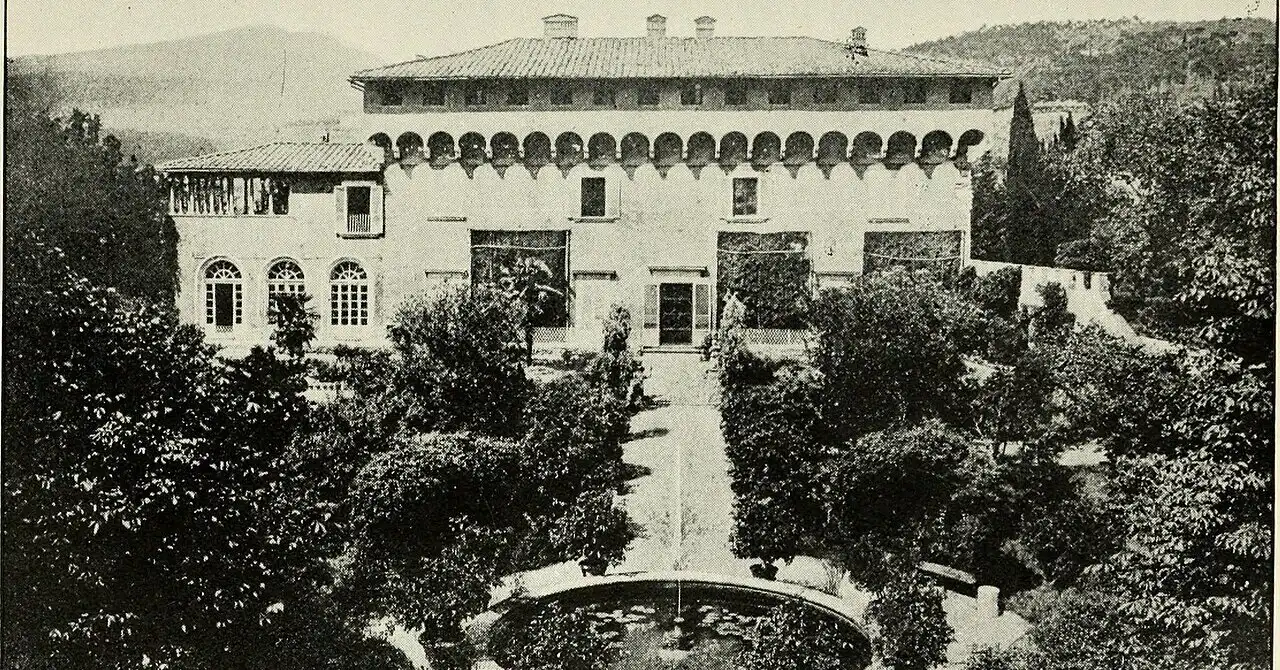
What Really Happened at the House?
A young man murdered his entire family while they slept. On November 13, 1974, at a house on Ocean Avenue in Amityville, New York, a twenty-three-year-old named Ronald DeFeo Jr. shot and killed his parents and four siblings. It was a horrific crime, and it had nothing to do with ghosts. DeFeo was convicted of second-degree murder the following year and spent the rest of his life in prison.
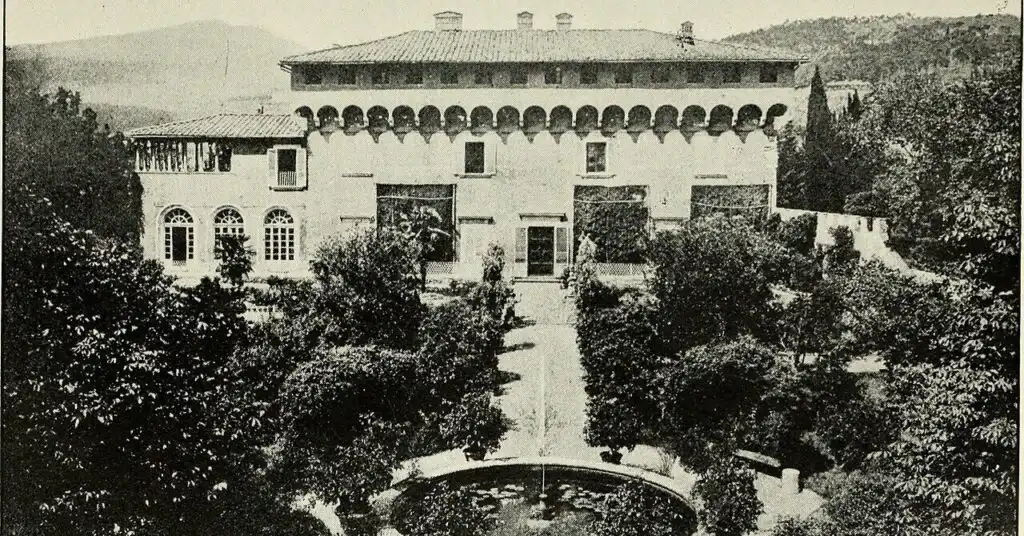
The house then sat empty for about a year. In December 1975, a couple named George and Kathy Lutz bought it for a bargain price of eighty thousand dollars and moved in with their children. Their story, as they would later tell it, is where the trouble begins.
According to the Lutzes, the family lasted twenty-eight days before fleeing in terror. They described strange smells, mysterious cold spots, a demonic presence, and one famously awful detail about a haunted floor that would not stop bleeding. They left most of their belongings behind.
How Did It Become a Bestseller?
A writer named Jay Anson turned their account into a book that sold about ten million copies. The book, called The Amityville Horror, came out in 1977, and it was written in a terrifying, you-are-there style. In 1979 it became a hit film. The combination of a real murder, a nice-looking suburban house, and a story about demonic activity proved irresistible to an audience hungry for scares.
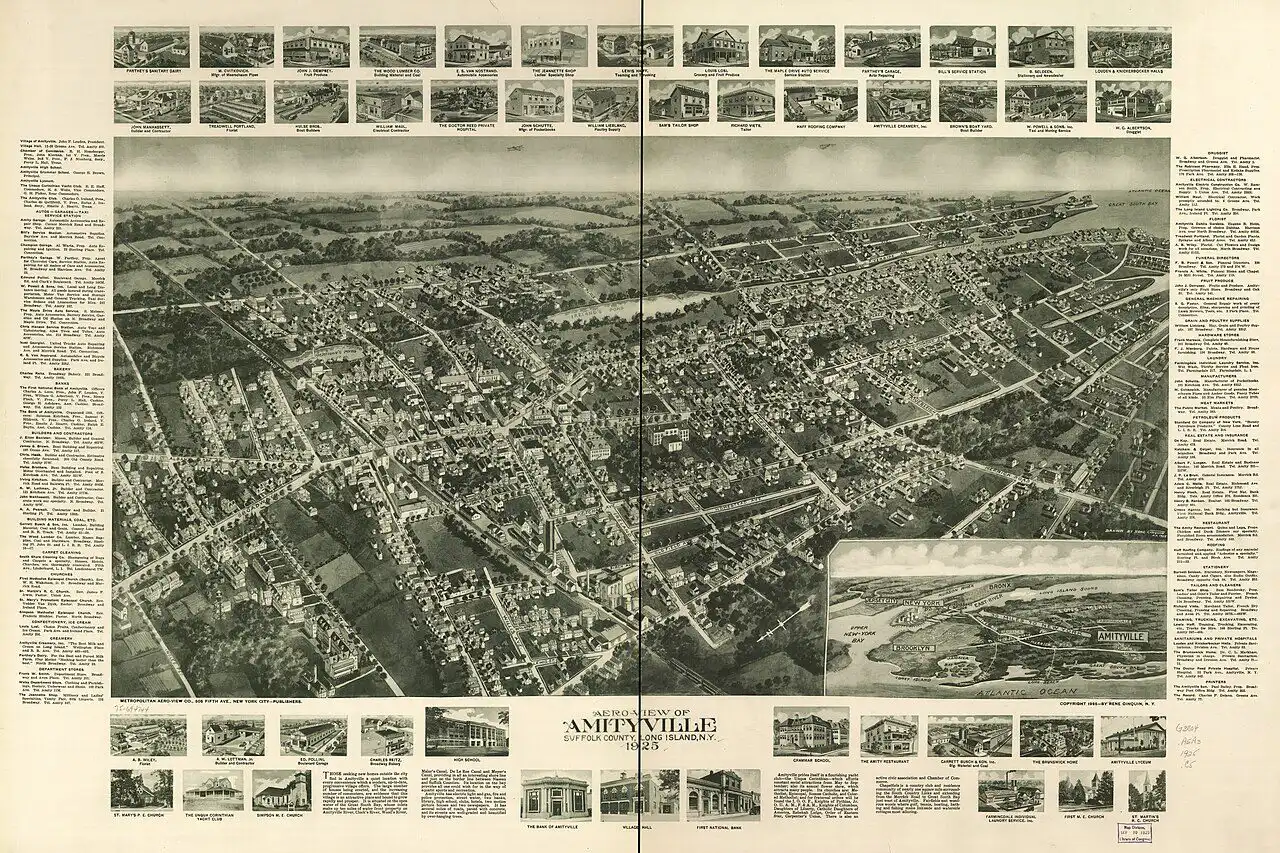
For a while, the haunting of Amityville was treated as one of the great documented ghost cases. The house became a tourist attraction, drawing crowds and driving the neighbors to despair.
What Did the Courtroom Reveal?
The story had apparently been invented over wine with a lawyer, partly to help the convicted murderer seek a new trial. The Lutzes sued several people, and one of the defendants was William Weber, the lawyer who had defended Ronald DeFeo. In 1979, a federal judge dismissed the claims, and the case dragged the mechanics of the story into the open.
Weber told a magazine the now-famous line that the horror story had been created over many bottles of wine, with the Lutzes, as part of an effort to sell books and to help DeFeo get a new trial. In court, the Lutzes effectively acknowledged that the account was largely fiction. The judge even paused to note the awkward ethics of a lawyer turning literary agent for his own client’s story.
Skeptics who checked the claims found that many of the details could not have happened at all. There was reportedly no snowfall on the night of the supposed cloven-hoof tracks in the snow. The police were never called to the house. The terrifying red room was a basement storage closet. And the glowing red eyes of the demonic pig, one of the story’s most famous images, appear to be a piece of invention.
What Did the Skeptics Actually Find?
One by one, the details fell apart under a bit of checking. There was no snow on the ground for the famous cloven hoof prints in the snow, because there hadn’t been a snowfall. The police were never called to the house, not once in those frantic twenty-eight days, which is odd behavior for a family in mortal terror. The terrifying red room at the center of the story turned out to be a plain storage closet in the basement. And the demonic pig with the glowing eyes, one of the most memorable images in the book, appears to have been added for effect.
Later owners are telling too. A couple named James and Barbara Cromarty bought the house in 1977 and lived there for about a decade without reporting a single strange thing. The courtroom, as we saw, made the whole show even messier, with the story’s own architect saying out loud that it had been invented over bottles of wine.
The most sobering part of all is what happened to the man at the center of the real tragedy. Ronald DeFeo Jr. was convicted of the six murders in 1975 and sentenced to six terms of twenty-five years to life. He died in prison in 2021. Whatever the books and films did with the house on Ocean Avenue, the real story belonged to a family that never asked to be part of any of it.
Why Do People Still Believe It?
Because it is attached to something real, and that gives it a kind of gravity. The murders at Amityville genuinely happened, and the house genuinely exists. A fictional ghost story bolted onto a real tragedy inherits all the weight of the real event. That is what makes it so hard to shake, and also what makes it a little bit grubby, because the family who died there never chose to be a backdrop.
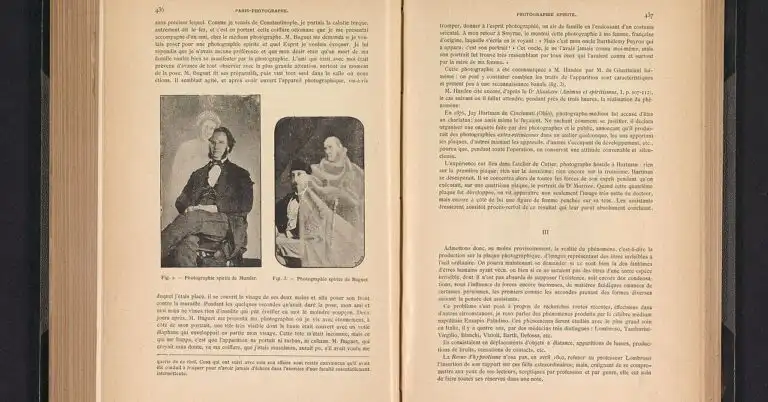
It sits in the same family as other famous American frights that turned out to be performance, from the strange photographs that once fooled a grieving public to the theatrical claims that still make the news today, like the stories that grew up around the curse of the Charles Haskell. In each case, the appetite for the story did the heavy lifting.
Later owners of the Amityville house reported nothing unusual, and the house is still standing, very much not haunted. Which is a slightly sad ending for a story this famous. The scariest thing about it, in the end, was never the house…